Coffee for taste and comfort, used selectively for deadlines, fatigue and headaches. Avoids it late at night because it disrupts sleep. Consumption rises with academic pressure.
Data Analytics & Transformation · Design With Data - Prototyping
Bengzagite
Caffeine Regulating Mobile App for Students
Mentored by Asst. Prof. Suvodeep Misra, MITID Pune
- 0.93Content Validity Index of the survey, checked by 4 experts
- 4user groups interviewed: students, white collar, blue collar and homemakers
- 12students in the tea-or-coffee experiment
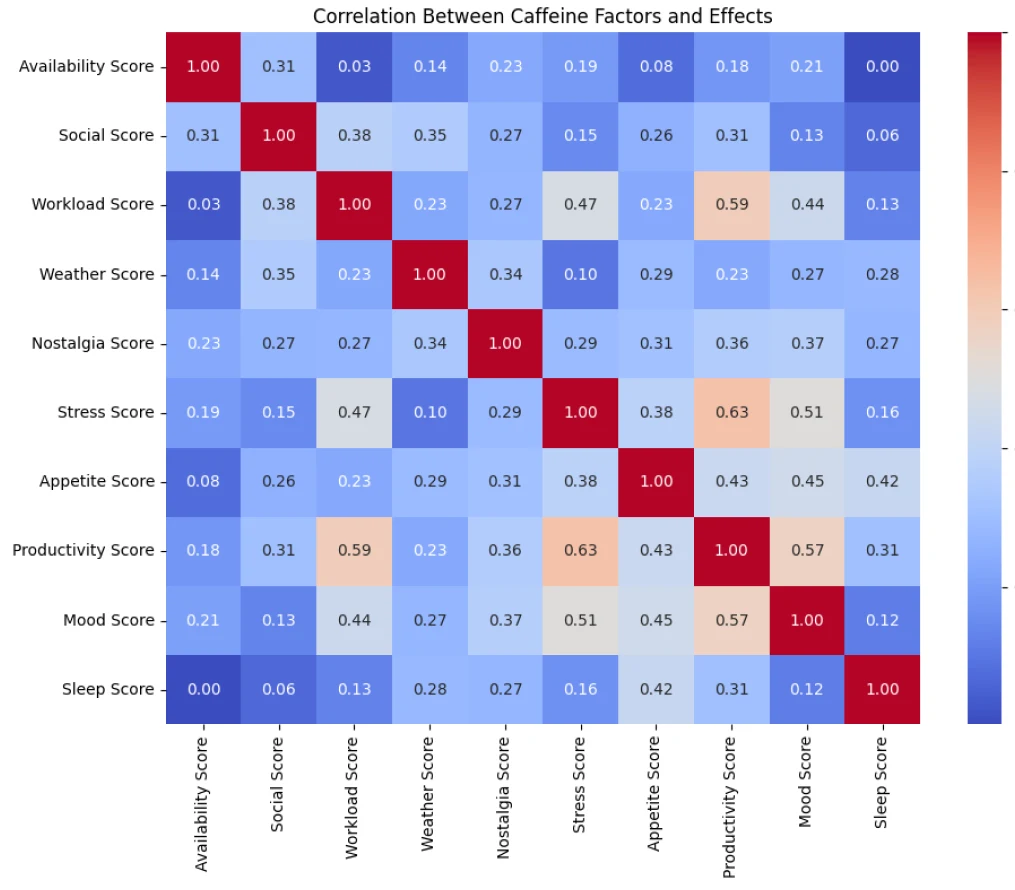
- 0.63stress and productivity correlation, the strongest in the data
Why caffeine?
India has lately seen a rise in caffeine consumption among younger demographics, driven by the growing coffee culture.
Coffee won because it was already everywhere around us. We then widened to caffeine, as India also gets it from tea and energy drinks.
Secondary research set out what caffeine is and how it settled into Indian life.
 Tea is the most consumed caffeine source in India.
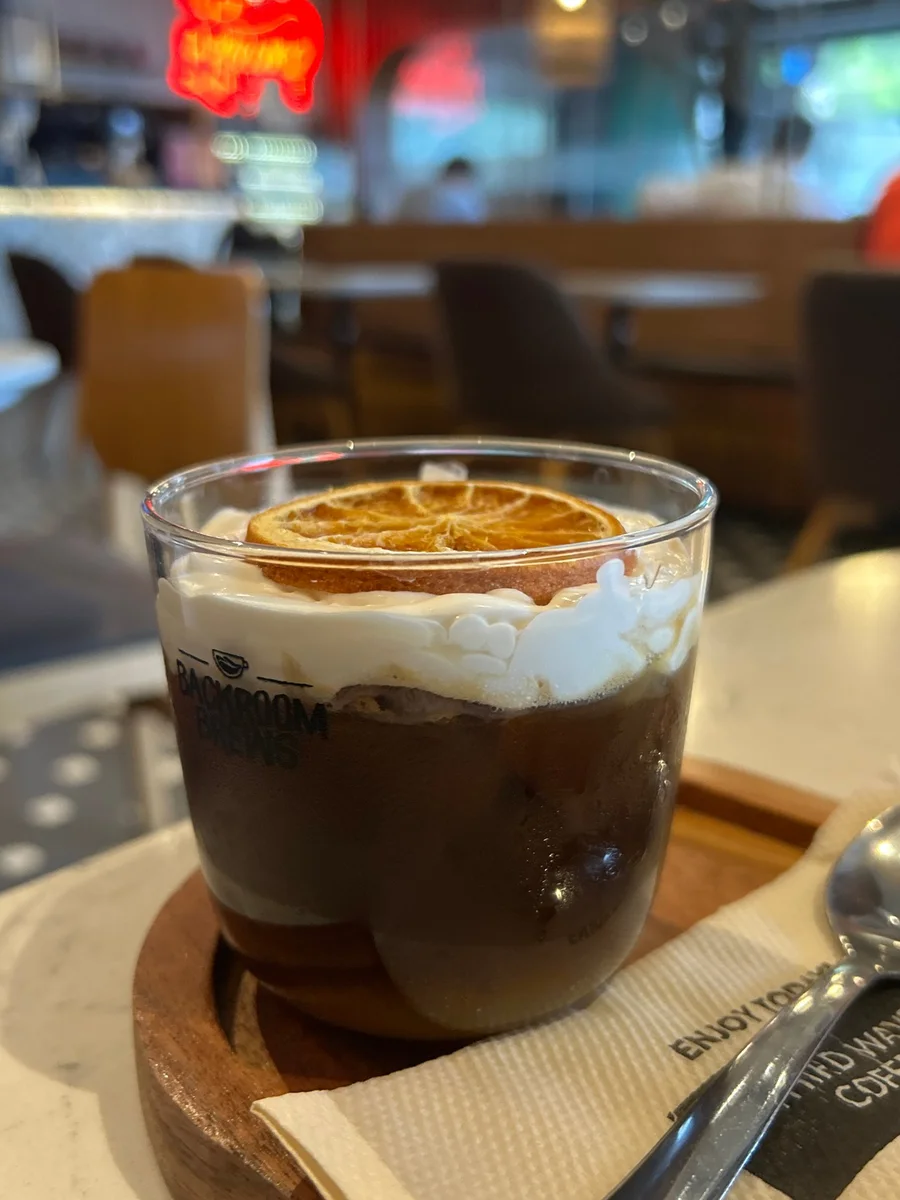 Coffee is rising, especially among urban youth and professionals.
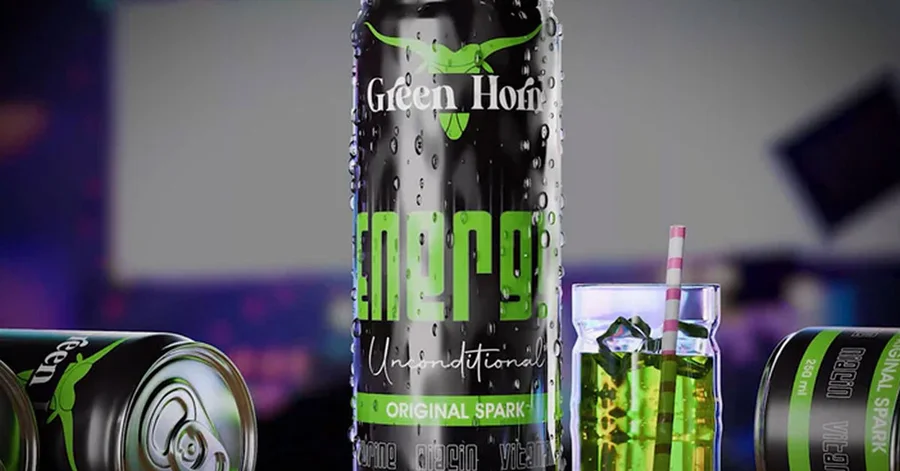 Energy drinks are growing fast among students and young adults.
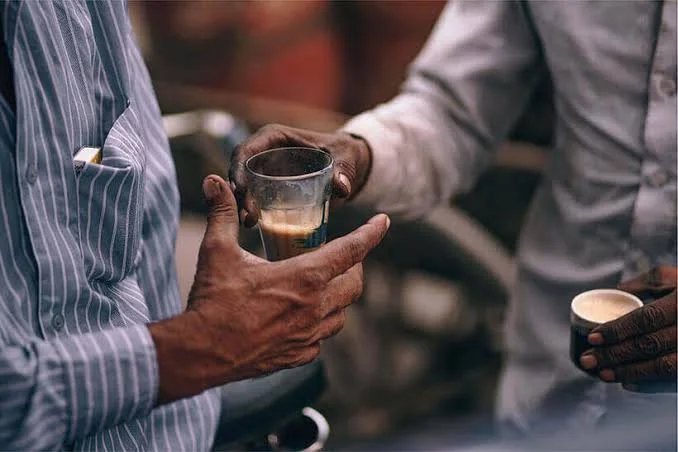
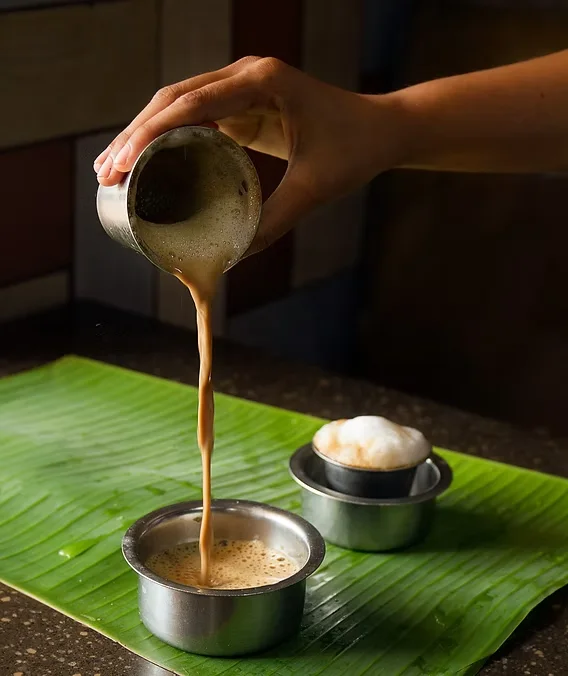 North and West India lean towards tea, the South towards coffee.
The team’s mind map after secondary research: organising insights, finding themes and setting directions for the primary research.

Asking people
Three methods, in order: a survey to find patterns, interviews to understand experiences, and an experiment to test the insights in a real setting.
1. User Survey
Captured quantitative data on caffeine awareness, consumption habits, influencing factors, and behaviour patterns.

2. User Interview
Explored in depth how lifestyle, environment, health, and productivity shape caffeine consumption and behaviour.
3. Experiment
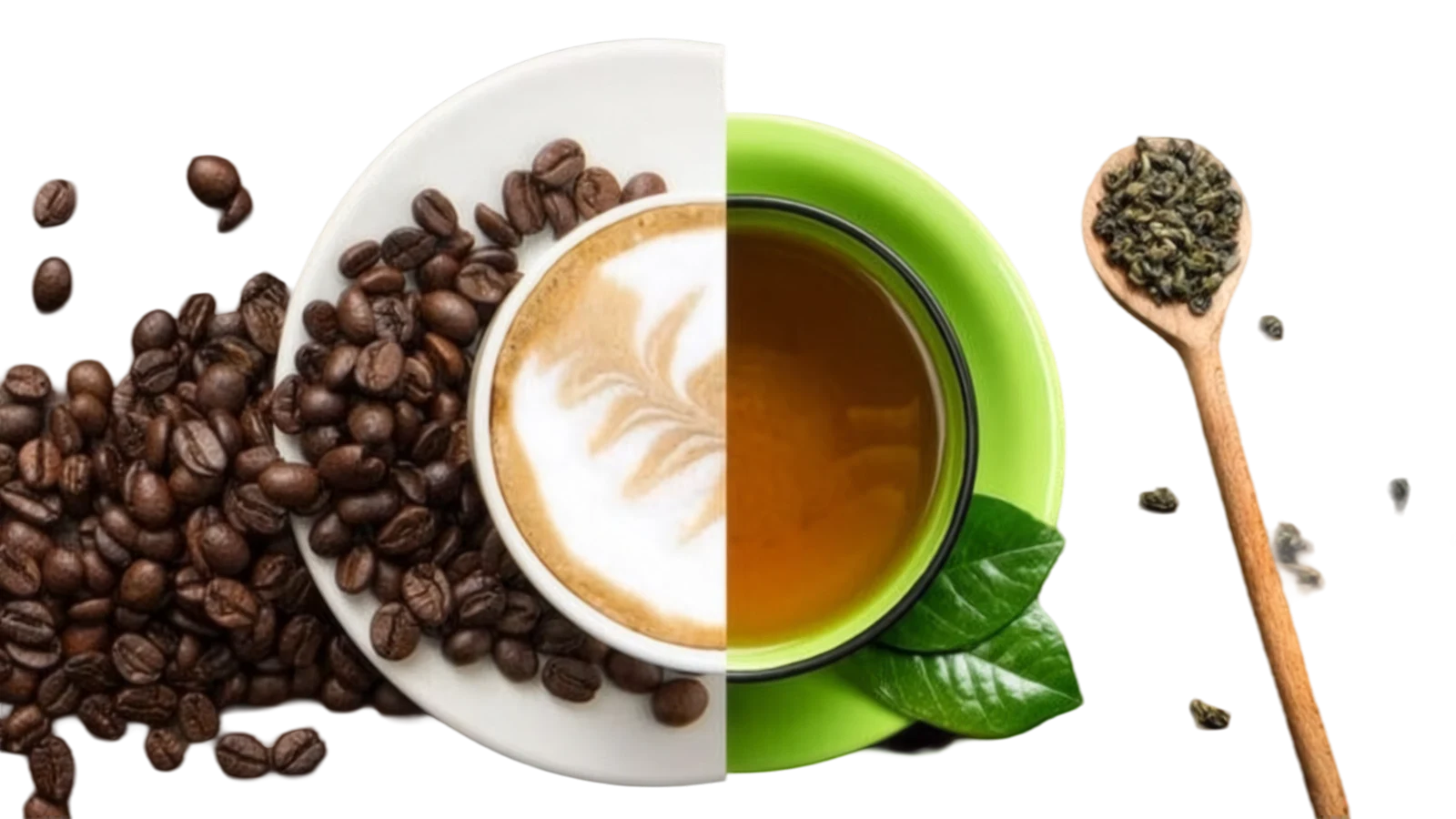
Tested student preference between tea and coffee to validate assumptions and identify generational behaviour shifts.
Survey
Four experts rated the questions for clarity and relevance, giving an overall Content Validity Index of 0.93.

Interviews, across four groups
Caffeine in the morning or after lectures, avoided later. Functional and consciously regulated, shaped more by the work environment than habit. Prefers healthier substitutes.
Starts at 4–5 AM, long shifts, few breaks. Tea is affordable, accessible, quick energy and informal social time. Late-day tea disrupts sleep and causes acidity.
Tea, occasionally coffee, as comfort, energy and social connection. Guests and family occasions raise consumption, and too much on busy days causes acidity or bloating.
Experiment: tea or coffee?
HypothesisCollege students prefer coffee over tea.
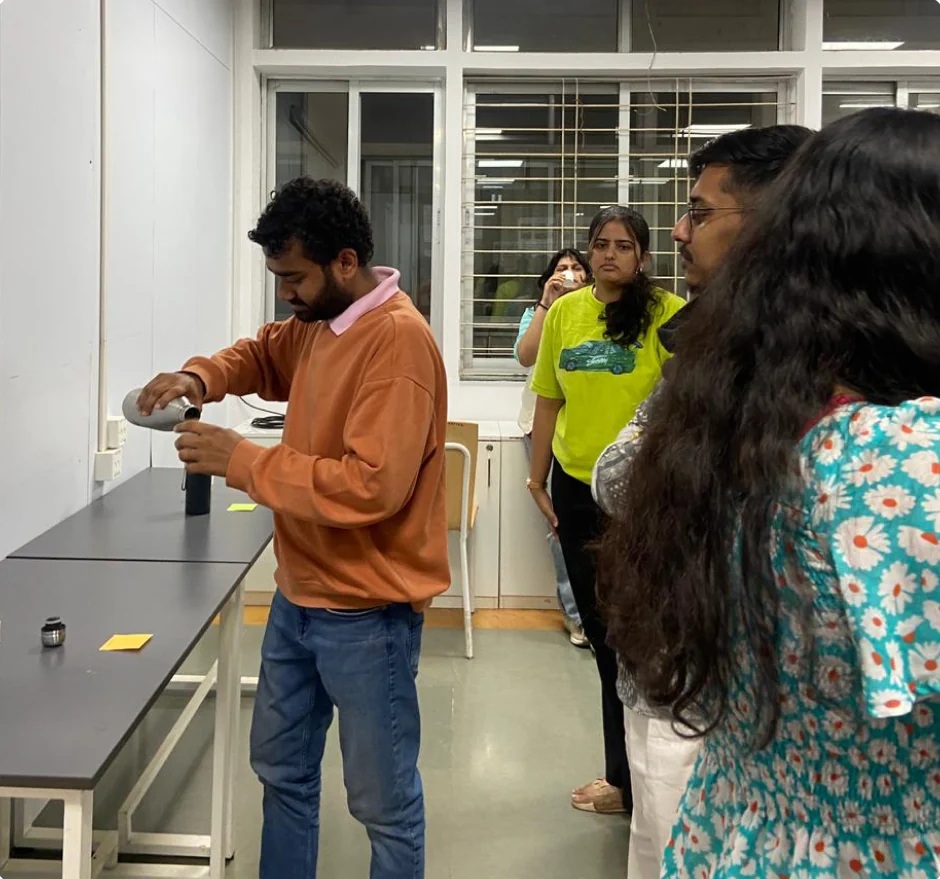
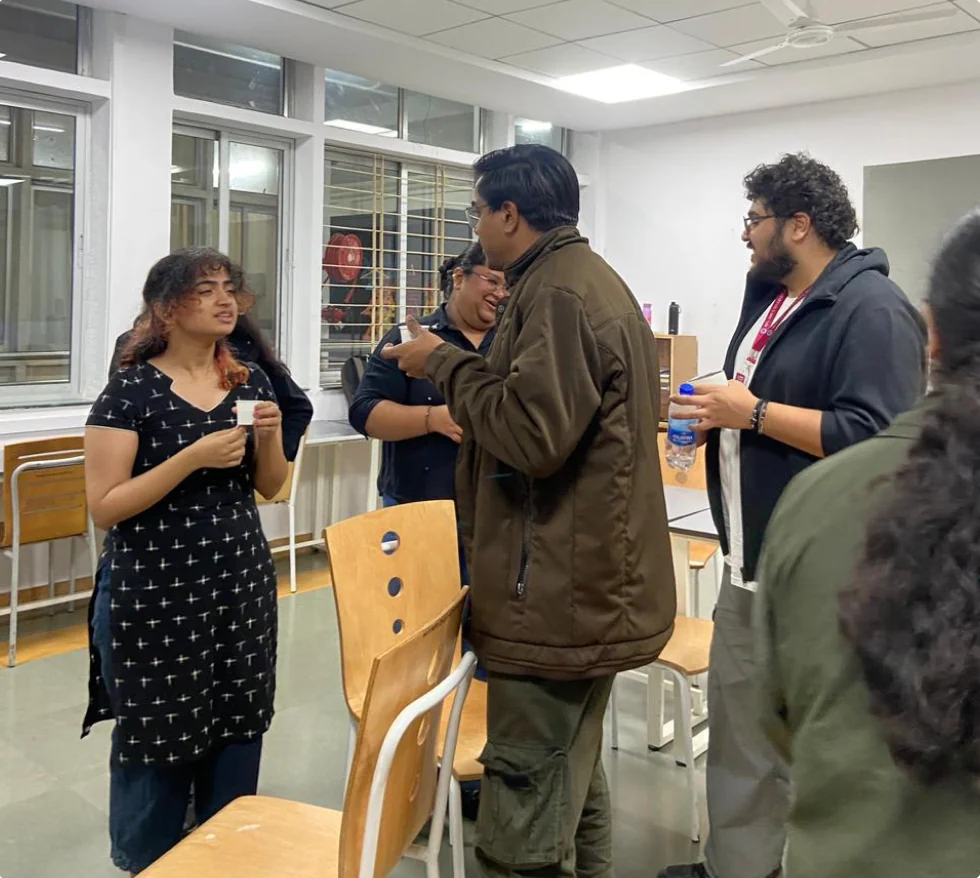
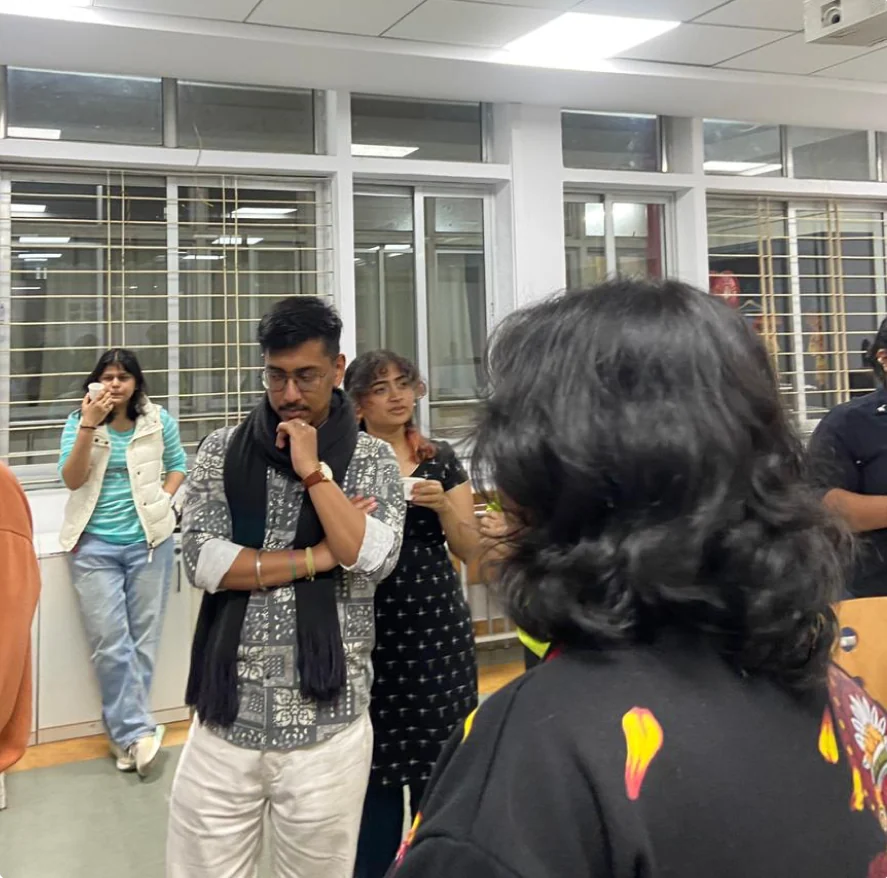
Two flasks, tea and coffee, sat in a classroom, equally easy to reach, with the source undisclosed. Each student chose one drink and nobody was persuaded. Choices were recorded, and a Google Form post-survey collected more.
- 15 January 2026
- 4:30 PM, after classes
- 12 students
- 30 minutes
- 2 people took extra servings of coffee because of the taste
- 3 didn’t like the taste of the coffee
- 3 preferred iced coffee over hot
- 1 person who dislikes the Tuck Shop’s coffee enjoyed it and complimented it, without knowing the source
What it all added up to
Combining the methods showed what people consume, why, and when.
Context, not a fixed habit
Caffeine use in India depends on time of day, workload, environment and routine.
Tea and coffee do different jobs
Tea is comfort, affordability, routine and social breaks. Coffee is for alertness, deadlines and focus.
Self-regulated, or so it feels
People believe they regulate themselves, but the environment subtly influences their choices.
The body pushes back
Health feedback such as disrupted sleep, acidity and anxiety is a natural limiter.
Said and done differ
Actual behaviour often differs from stated preference, especially in real settings.
Tea stays relevant
Younger users lean towards coffee, but tea is still culturally important.
Who you are barely changes it
Chi-square tests found no significant link between occupation and how often people consume caffeine (p = 0.55) or how much (p = 0.33). In ANOVA tests, nearly every influence and effect was shared across groups. Only nostalgia, as an influence, and appetite, as an effect, differed.
A loop, not a habit
- Workload
- Stress
- Caffeine
- Productivity & mood
Pearson correlations show the loop: workload raises stress, stress drives consumption, and consumption enhances productivity and mood.
How might we?
How might we support students in making conscious caffeine decisions rather than reacting to surrounding influences?
The statement aims to empower students to make deliberate, informed caffeine choices by raising awareness of the triggers and behavioural loops, such as stress, productivity demands and low self-awareness, that drive unconscious consumption.
Why students? Patterns were similar across occupations, but students showed more variable, stress-driven, habit-forming behaviour, so they are more receptive to interventions on awareness and mindful consumption.
From question to app
The first decision was physical or digital. Digital won, as an app that works like a caffeine tracker. Three kinds of app were weighed: a health tracker, a social media app and a tasking app.
Bengzagite
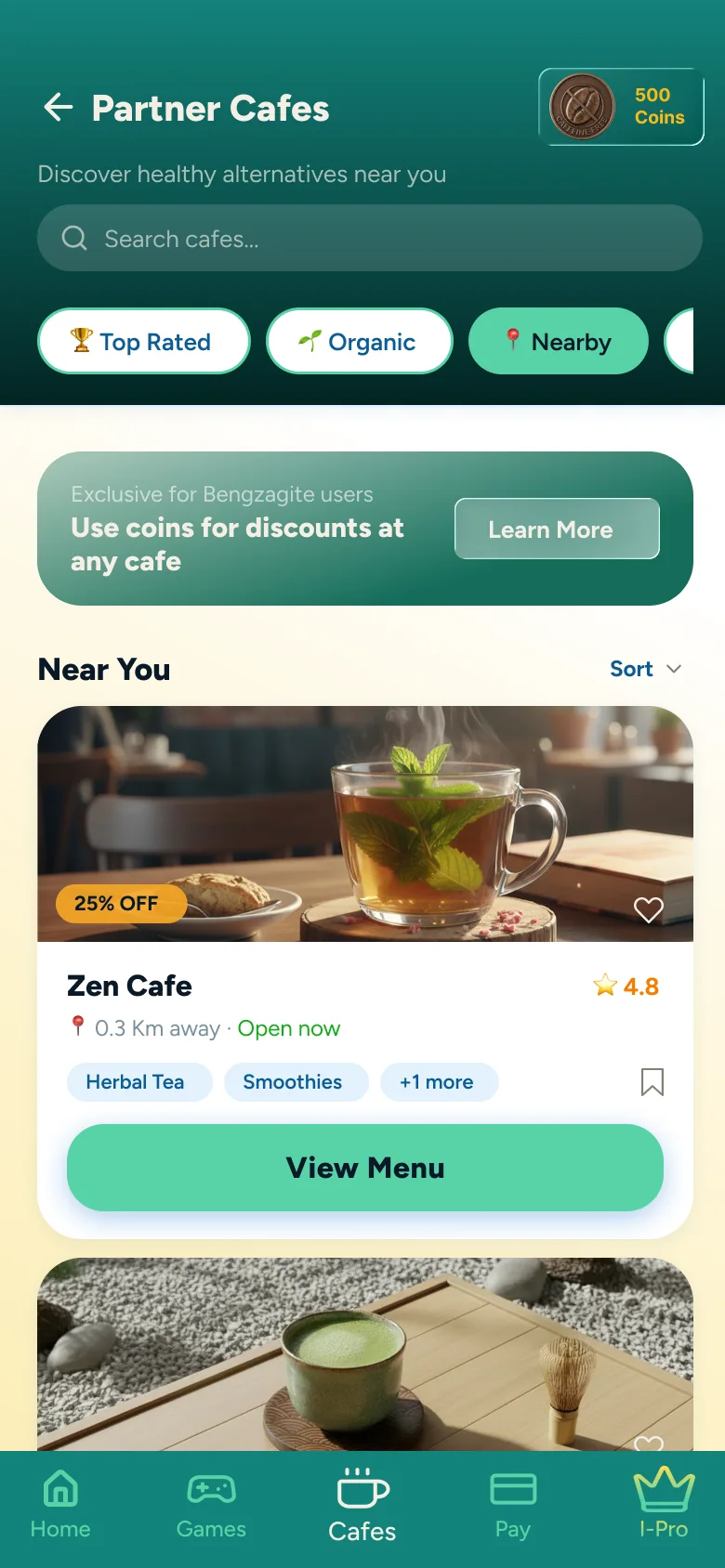
A gamified caffeine-tracking app with social media connectivity. Students track their moods and sleep schedule, set alarms, and complete tasks and games to win points. Points turn into vouchers for discounts at partner cafes, on non-caffeinated drinks. The app earns through influencer marketing, premium subscriptions and commissions from partner cafes.
The idea plays on reverse psychology. Instead of restricting drinks overall, students swap a caffeinated drink for a non-caffeinated one, a healthier alternative, inside the social settings they already live in. They make healthier choices without needing a cheat day.
Information architecture
Five bottom-navigation tabs, with sign-in, profile and content discovery around them: 12 primary screens in all.
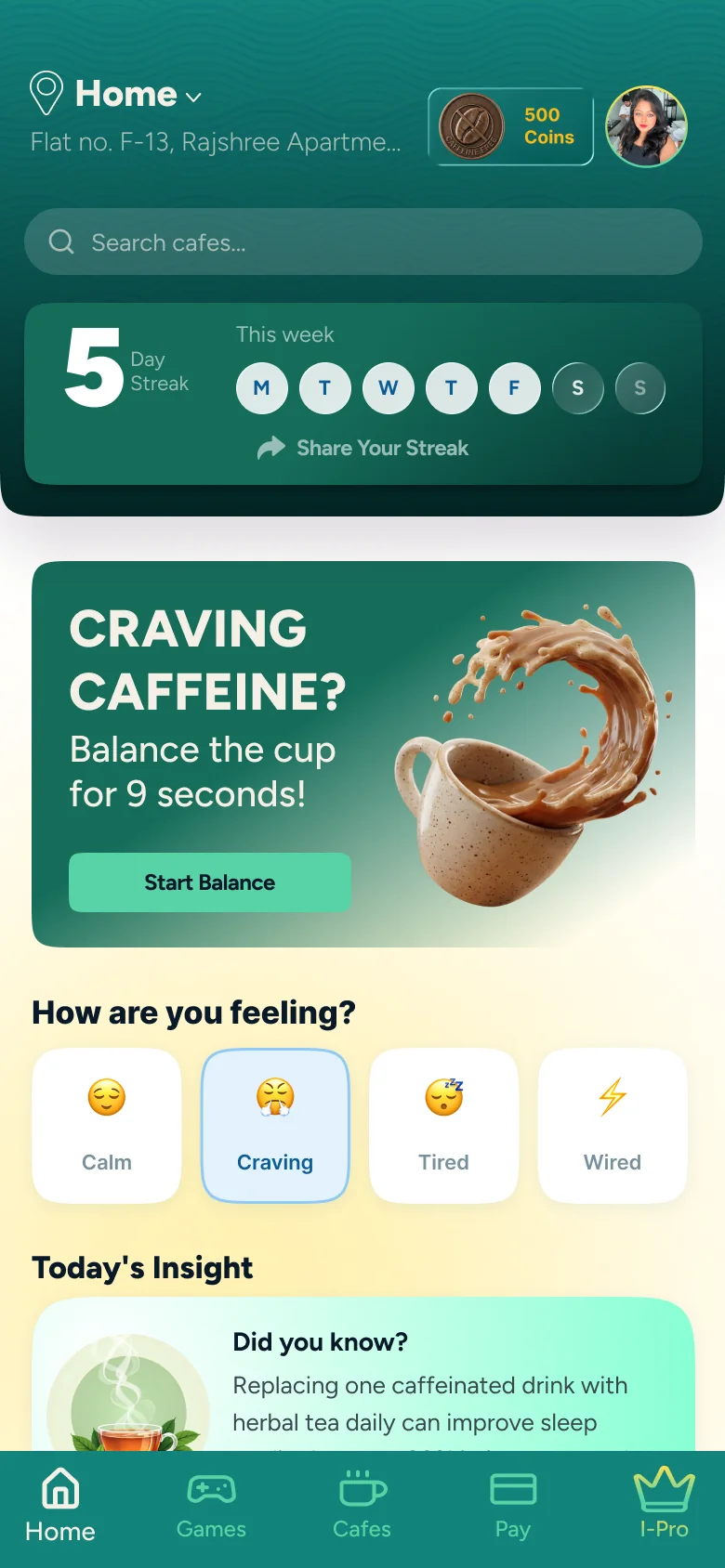
- HomeStreak card
Mood tracker
Today’s insight
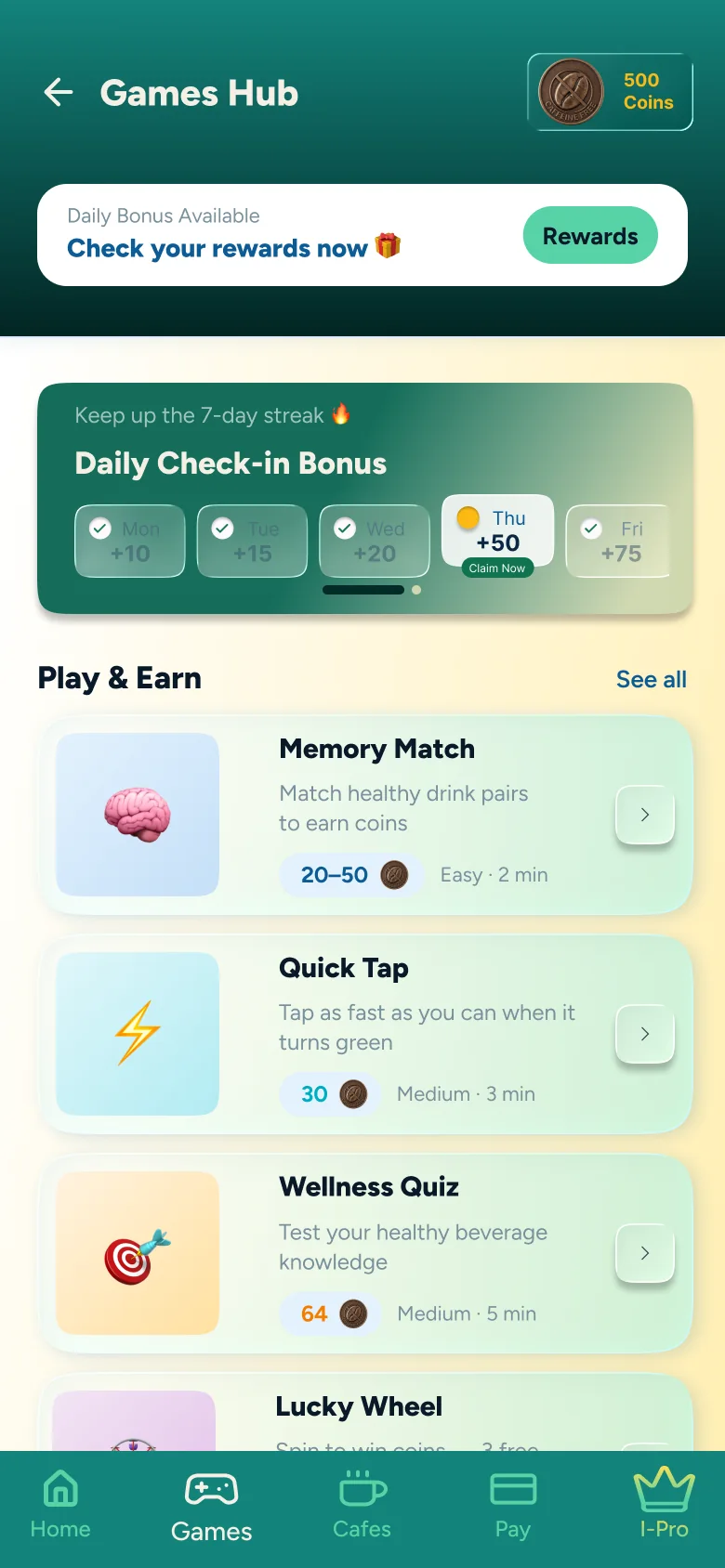
Explore section - Games HubCup Balance mini game
Leaderboard - Partner CafesCafe listings
Voucher redemption
Map view - PayCoin wallet
Transaction history
Vouchers - I-ProPremium features
Exclusive badges
From there: information architecture, design system, lo-fi wireframes, then the final design and prototype.
Two scenarios
Each scenario follows one student through the screens, from an everyday moment to a healthier choice.
The Craving Moment
Priya, M.Des student, MITID · 11 PM during exam prep. Tired and craving a drink, she wants a healthier choice and some reward coins.
The Streak Builder
Rahul, B.Des 3rd year student, MITID · a morning check-in. On a 5-day streak, he wants to share progress, explore recipes and stay on track.
The app
A gamified caffeine-regulating app for students. Rather than restricting caffeine, it rewards healthier alternatives. Interact with the app and explore around to see how it works. Try the two existing task flows yourself.
Design decisions
Primary Teal#13837b
Accent Mint#57d3a6
Gold / Coins#ffdf51
Dark Navy#0a1929
Cream White#f5efe6
Warm Brown#6d320c
Teal is the trust-building primary, mint marks actions and rewards, gold marks premium features and coins, and cream brings warmth to the dark surfaces. Figtree ExtraBold is used for headings, buttons and streak numbers, Figtree Regular for body text, and Inter Bold for labels, coin counts and numbers.
Reverse psychology
Rather than restricting caffeine, Bengzagite rewards students for choosing non-caffeinated drinks. That removes guilt and builds positive associations.
Gamification for retention
The Cup Balance mini-game turns idle scrolling into purposeful engagement, earning coins that can be redeemed at partner cafes, a full reward loop.
Mood-aware personalisation
Daily mood logging (Calm, Craving, Tired, Wired) tailors the Today’s Insight widget so each session feels personally relevant.
Social streak sharing
Sharing streak milestones taps into students’ existing social behaviour, creating organic word of mouth and community motivation.
What I learned
- Behavioural design beats informational design. Showing consequences works less than rewarding alternatives.
- Early information architecture matters most. Those decisions had the largest impact on usability and navigation clarity.
- Wireframe before hi-fi. Lo-fi wireframes saved significant revision time during the final design phase.
- Gamification has to feel organic. Forced mechanics break user trust and reduce retention.
- Colour sets personality. Teal communicated calm and reliability, while gold created aspirational associations.
Probable next steps
- Usability testing is the next priority. Testing the app with real users will help identify usability gaps and guide future design decisions.
- Game screens need further exploration. Designing these interactions will help determine how gamification influences user engagement and navigation.
- Colour usage needs refinement. Reducing unnecessary colours based on feedback can improve legibility and establish a clearer visual hierarchy.
- Typography needs greater consistency. Refining font weights will improve readability, hierarchy, and overall interface clarity.
- The Sleep Better feature needs validation. Usability testing will help determine its relevance, usefulness, and whether it deserves a place in the app.
“The best solution is not the one that restricts — it is the one that makes the right choice feel like the easy choice.”